
Types of Screws
Security Screw
Security Screw
Security screws are used in any industry where there would be a threat of tampering or unwanted removal. Below is a list of industries that use security screws:
• Aerospace
• Automotive
• Hospitals and Medicine
• Correctional Facilities
• Schools and Universities
• Military
• Retail Outlets
• Utility Companies
• Marine
• Transport Providers
Screw Head Stripping
Due to the unique shapes and patterns of security screw heads,
there’s a potential for the screwdriver or bit to slip or strip the
screw head if not aligned and applied correctly.

Screw Head Stripping
Some security screws require deeper installation or unique
mechanisms, which can lead to unintended damage to surfaces or
materials when attempting to install or remove them.

How can Vampliers help you on damage security screw?
If you have a damaged security screw, Vampliers (sometimes colloquially called “vampire tools” due to their strong grip) can be a practical solution due to their unique design. Here’s how they can be particularly effective for this task:
• Specialized Jaws: The jaws of Vampliers are designed with both vertical and horizontal serrations. This gives them
an excellent grip on screw heads, even if they are damaged or stripped.
• Biting Capability: The concave shaped jaws allow the Vampliers to bite into a stripped screw head, which can be
especially useful for screws with unique or security designs that have been damaged.
• Enhanced Leverage: The design of Vampliers provides better leverage than regular pliers, allowing users to exert
more force when attempting to turn and extract a damaged screw.
• Minimal Slippage: Thanks to their design, Vampliers tend to slip less than standard pliers when dealing with
damaged screws, which means there’s less chance of causing further damage to the screw or surrounding
material.
Spanner Screw
Spanner Screw
The most common use for a spanner screw is to prevent unwanted removal. Two-holed spanner. screws make a great deterrent for theft and vandalism. Spanner screws are commonly used in:
• License plates
• Schools
• Public restrooms
• Municipal property
• Specialized equipment
• Museum exhibit cases
• Scaffolding
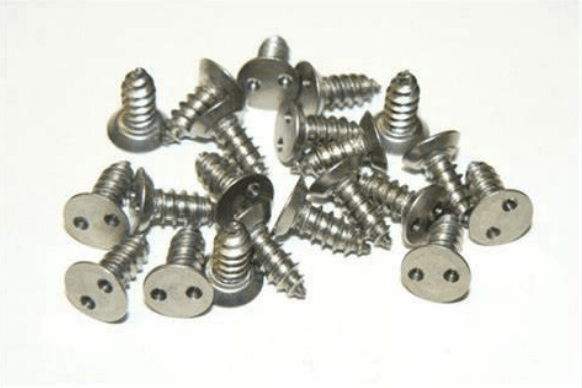
Difficult Removal
While spanner screws are designed to be tamper-resistant, this
can also be a downside when you need to remove them for
legitimate purposes such as maintenance or repair.
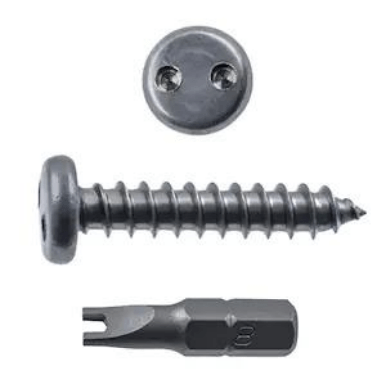
Stripped Holes
When the two holes on the screw head become rounded or
damaged, they may appear enlarged or uneven. This can
happen when too much torque is applied or if the wrong tool
was used.
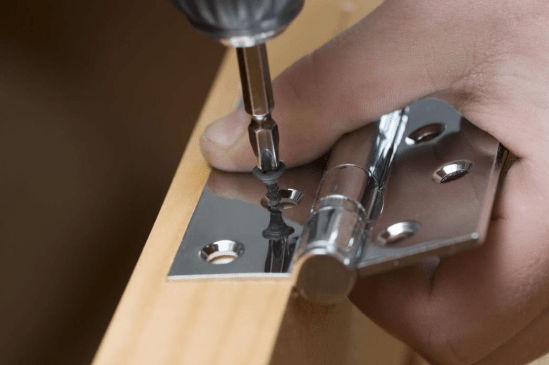
How can Vampliers help with difficult to remove Spanner Screws?
Vampliers are a type of pliers designed specifically to grip and remove stripped, damaged, or specialized screws and bolts. Spanner screws, sometimes known as “snake eye” screws or “pig nose” screws, have two small holes opposite each other on the screw head, requiring a special tool (a spanner bit) to engage and turn them. These screws are often used in applications where the manufacturer wants to deter unauthorized tampering or disassembly.
When you encounter a spanner screw that’s difficult to remove due to being stripped, damaged, or over-torqued, Vampliers can come to the rescue. Here’s how Vampliers can assist with difficult-to-remove spanner screws:
1. Superior Grip: Vampliers have serrated jaws with both vertical and horizontal grooves. This design allows them to grip onto even the smoothest surfaces of damaged
screws, including the outer edge of spanner screws.
2. Bite into the Screw: The sharp jaws of the Vampliers can bite into the outer edge of the spanner screw head, allowing for a good grip to turn and extract the screw.
3. Leverage: The design of Vampliers provides good leverage, allowing users to apply more torque to stubborn screws than they might be able to with regular pliers or a
spanner driver.
4. Ergonomic Design: Vampliers often feature ergonomic handles, which can make it more comfortable to apply the necessary force for prolonged periods.
5. Hardened Steel Jaws: Made from high-quality materials, the jaws are robust and long-lasting, ensuring they don’t easily wear down even after multiple uses on
tough screws.
When using Vampliers, it’s essential to ensure that you’re gripping the screw head as firmly and securely as possible. If the screw doesn’t budge at first, you can try applying penetrating oil or a similar lubricant to ease its removal. Remember to always wear appropriate safety gear, like safety glasses, to protect against flying debris or metal shavings.
Tri-Wing Screws
Tri-Wing Screws
Tri-wing screw was mostly used in aerospace application, electronics and can be found in some old aircraft. Tri-Wing screws are commonly used in various applications where security is a concern
• Electronics
• Automotive
• Aerospace
• Industrial Equipment
• Security Systems
• Public Infrastructure (Streetlights,
Traffic signals)
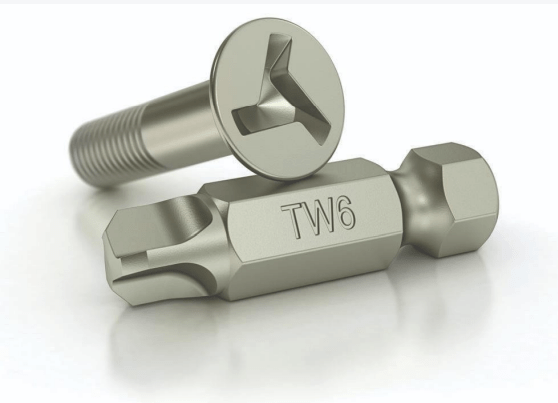
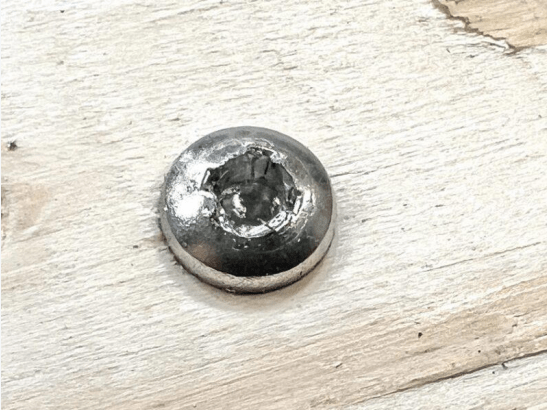
They can be difficult to repair
If a tri-wing screw is stripped, it can be difficult to remove
and replace. This can make repairs more difficult and timeconsuming

They can be easily stripped
The screw heads are small and the points are delicate, so it
is easy to damage them with the wrong size or type of
screwdriver.
How can Vampliers fix the difficult-to-repair screw?
Vampliers can use their supernatural strength and dexterity to fix a difficult-to-repair screw. They can also use their fangs to bite through the screwhead, if necessary. Additionally, vampliers saliva has healing properties, which can help to seal any cracks or damage caused by the repair process. Here are some specific steps on how vampliers can fix a difficult to repair screw:
• Use their strength to grip the screw and turn it. If the screw is stuck, they can use their fangs to
bite through the head of the screw.
• If the screw is still stuck, they can use a lubricant to help it turn.
• Once the screw is free, they can use a screwdriver to finish turning it.
• If the screw head is damaged, they can use a file to smooth it out.
• Apply a drop of vampire saliva to the screw hole to help seal it.
Stripped Screws
Stripped Screws
When the head of a screw becomes damaged or stripped, a screw removal tool can help extract it. Some common scenarios where stripped screws might be found include:
• Home Maintenance and Repair
• Furniture Assembly
• Appliance Repair
• Industrial Machinery Maintenance
• Electronics Manufacturing
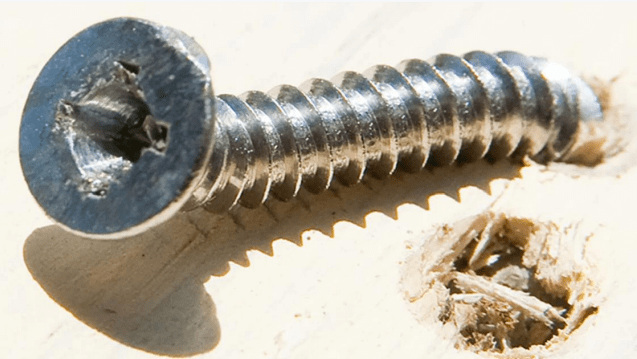
Incorrect Tool Usage
Using the wrong type or size of screwdriver or bit can lead to
improper engagement with the screw head. If the tool doesn’t fit
properly, it can cause the edges of the screw head to wear down,
leading to stripping.

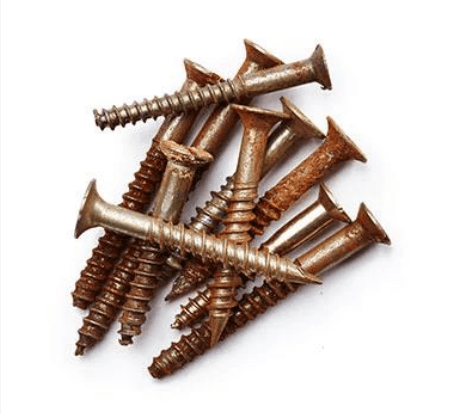
Rust or Corrosion
Rust or corrosion can make it difficult to turn screws smoothly.
leading to increased force during installation or removal and
potentially causing stripping.
How Vampliers fix stripped screw?
Vampliers are a brand of specialty pliers designed for gripping and removing stripped, damaged, or rusted screws and bolts. They can be useful for extracting stubborn screws, but they are not the only option available. Here’s a step-by-step guide on how to use Vampliers to fix a stripped screw:
• Choose the Right Size: Ensure that you select Vampliers that match the size of the stripped screw. Proper sizing is crucial for
effective grip.
• Position the Pliers: Place the jaws of the Vampliers around the stripped screw head. Make sure the pliers’ jaws are parallel
to the screw head’s surface.
• Apply Firm Pressure: Squeeze the handles of the Vampliers firmly to grip the stripped screw head. The Vampliers’ unique
jaw design should provide a strong grip.
• Turn Slowly: With a steady grip on the screw head, start turning the Vampliers counterclockwise (lefty loosey) to unscrew
the stripped screw. Be cautious and turn slowly, applying consistent pressure to avoid damaging the screw or surrounding
material.
• Keep the Angle: Maintain a straight angle while turning to prevent the pliers from slipping off the screw head. If the screw is
especially stubborn, you may need to use a bit more force or try tapping it gently to break free any rust or debris.
• Success: If the Vampliers grip the screw effectively, you should be able to turn the screw out. Once it’s removed, you can
replace it with a new screw if needed.
• Alternatives: If the Vampliers don’t work, you can try other methods like using a rubber band, using a hammer and a flatheaded screwdriver, or using a dedicated screw extractor tool.
Tamper-Resistant Screws
Tamper-Resistant Screws
When the head of a screw becomes damaged or stripped, a screw removal tool can help extract it. Some of the uses of tamper-resistant screws include:
• Retail Merchandise Protection
• Pharmaceutical Equipment
• Medical Devices
• Utility Meters and Boxes
• Critical Infrastructure
• Access Control Systems
• Electronics and Appliances
• Public Infrastructure (utility boxes and
public transportation equipment)
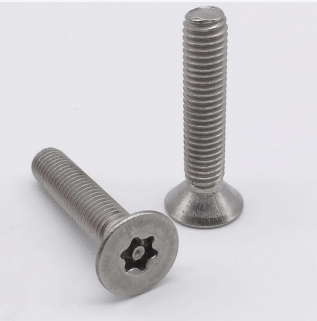
They can be difficult to install
The special tools required to install tamper-resistant screws can
be expensive and difficult to find. This can make it difficult to
install them correctly, which can lead to problems later on.

Over-tightening
If too much torque is applied, there’s a risk of over-tightening and
potentially damaging the material being secured.

How to insert the screw correctly with Vampliers?
Vampliers are designed primarily for removing stripped screws and other fasteners, not necessarily for inserting screws. However, if you find yourself needing to use Vampliers to insert a screw, it would be more for a situation where the screw head is damaged and a regular screwdriver or drill won’t suffice. Here’s a basic process to insert a screw using Vampliers:
• Prep the Surface: Before inserting the screw, ensure the surface where you’re inserting the screw is clean and free of debris. If you’re working with wood, it may be helpful to pre-drill a hole to avoid splitting the
material.
• Grip the Screw: Hold the screw by the head with the Vampliers. Ensure that the jaws have a good grip on
the screw, especially if the screw head is damaged or stripped.
• Align with the Hole: Place the screw tip on the pre-drilled hole or the spot you intend to insert the screw.
• Turn Clockwise: Slowly turn the Vampliers clockwise, applying steady downward pressure, to start
inserting the screw.
• Switch to a Screwdriver or Drill: Once the screw is started and has some bite, it’s often easier and more
efficient to switch to a traditional screwdriver or drill to finish driving the screw.
• Ensure Tightness: Make sure the screw is snug and properly seated
Square-Drive Screws
Square-Drive Screws
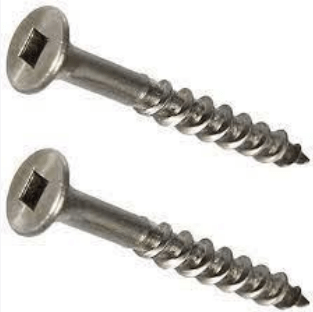
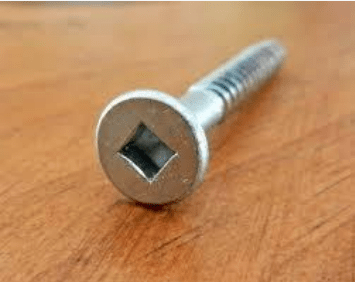
These screws have a square-shaped recess in the head and need a corresponding squaredrive screwdriver.
• Carpentry and Woodworking
• Drywall Installation
• Outdoor and Deck Construction
• Automotive Applications
• Electrical Enclosures
• Furniture Assembly
• Marine and Boating
• RV and Trailer Construction
• Metalworking
Incorrect Bit Size
Using the wrong size of square-drive bit can lead to difficulty in
engaging the screw head properly, potentially causing stripping of
the screw head’s recess.

Compatibility
One of the main challenges with square-drive screws is ensuring
that you have the correct matching driver bit. If you don’t have the
right size or type of driver, it can lead to poor engagement,
slipping, and potential damage to the screw head.
How can Vampliers solve the incorrect bit size of the screwdriver?
Vampliers are a specialized type of pliers designed to remove stripped, rusted, corroded, or damaged screws and bolts. If you find yourself with a screw that cannot be removed because the bit size of your screwdriver is incorrect or the screw head is stripped, Vampliers can be a very useful tool to help solve the problem. Here’s how Vampliers can help:
• Gripping Capability: Vampliers have specially designed jaws that are intended to grip onto the outer edges of a stripped or damaged screw head. This allows you to turn and remove the screw even when a screwdriver can’t grip the inside of the screw head.
• Vertical & Horizontal Serrations: The unique jaw design, with both vertical and horizontal serrations, provides an excellent grip on a variety of screw head types, increasing the chance of successful removal.
• Leverage: Like other pliers, Vampliers give you additional leverage when turning, making it easier to remove screws that may be stuck due to corrosion or other issues.
• Avoiding Further Damage: Using the wrong size or type of screwdriver can further damage the screw head, making it even more difficult to remove. By switching to Vampliers early on, you can avoid causing additional harm.
• Versatility: Vampliers are not limited to a specific type or size of screw. They can be used on a variety of screws and bolts, making them a versatile tool to have in your toolkit.
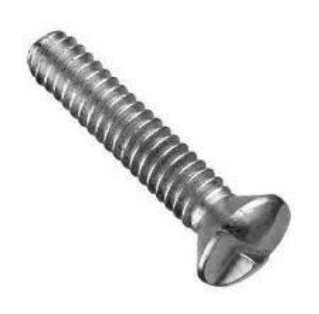
One-Way Screws
One-Way Screws
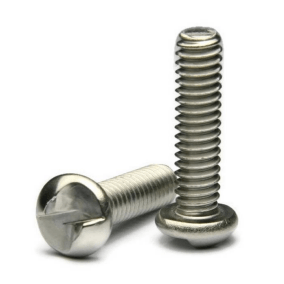
Designed to be installed easily but challenging to remove, these screws can only be turned in one direction. One-way screws are found in a variety of places, including:
• Security devices (safes and security gates)
• Electrical equipment (junction boxes and circuit breakers)
• Machinery (industrial robots and CNC machines)
• Vehicles (cars, trucks, and motorcycles)
• Furniture (office desks and file cabinets)
• Building materials (sheet metal and plywood)
Misalignment during Removal
If you’re attempting to remove a one-way screw, misalignment
between the removal tool and the screw head can lead to the tool
slipping out and damaging the surrounding material.
Lack of Availability
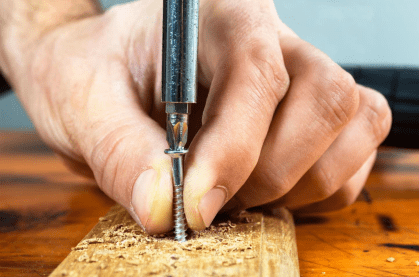
One-way screws might not be as widely available as standard
screws, which can make finding replacements or removal tools
challenging.
How can Vampliers remove the screw without misalignment?
Vampliers are specially designed pliers made to remove screws, particularly those that are stripped or damaged. The unique jaw design and serrations allow them to grip onto screw heads that might be inaccessible to other tools. To remove a screw without misalignment using Vampliers:
• Choose the Right Size: Ensure you’re using the correct size of Vampliers for the screw in question. Using a size that’s
too large or small can result in slippage or further damage to the screw.
• Position Correctly: Hold the Vampliers so that the jaws are perpendicular to the screw head. This will ensure an even
grip and will reduce the chance of the tool slipping off the screw when turning.
• Grip Firmly: Once you have the Vampliers positioned correctly, squeeze the handles firmly to ensure the jaws securely
grip the screw head. The serrations on the Vampliers should grip onto the stripped or damaged areas of the screw,
providing traction.
• Turn Slowly: Once you have a firm grip, begin turning the Vampliers counterclockwise (lefty loosey). Use steady and
even pressure. If you force it too hard, you risk further damaging the screw or slipping off of it.
• Use Penetrating Oil (if needed): If the screw is rusted or stubborn, you can use penetrating oil to help loosen it. Just
apply a small amount to the screw, wait for a few minutes to let it work, and then try removing it with the Vampliers
again.
• Stay Aligned: Ensure that the Vampliers remain perpendicular to the screw as you turn. If the tool starts to angle off to
one side, reposition and re-grip before continuing.
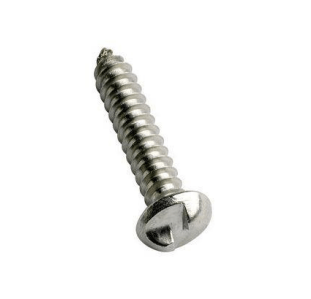
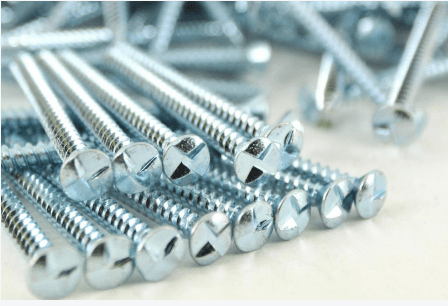
Clutch Head Screws
Clutch Head Screws
These screws have a unique head design that requires a clutch head screwdriver for removal. Here are some places where clutch head screws might be found:
• Electronics and Appliances
• Vending Machines
• Retail Environments
• Prisons and Detention Facilities
• Outdoor Fixtures
• Construction and Industrial Equipment
• Public Restrooms (toilet paper dispensers, soap dispensers)
• Security Panels (control panels, alarm systems, and surveillance equipment)
• Public Transportation (buses, trains)
Limited Reusability
Similar to other tamper-resistant fasteners, clutch head screws
might become unusable if you attempt to remove them. This can
be problematic if you need to disassemble and reassemble the
secured object multiple times.
Vulnerable to Wear and Tear
Over time, the clutch head’s unique pattern can wear down due to
repeated use or exposure to environmental factors. This can make
it even harder to engage the screw properly using the correct
driver bit.

How can Vampliers fix the possible issues of clutch head screws?
Clutch head screws, sometimes referred to as bowtie screws, have a unique cloverleaf or bowtie-shaped recess. These screws were once more common in older vehicles, mobile homes, and some other applications but have since been largely replaced by more standard fasteners. However, if you come across them and need to remove or tighten them, it can be a challenge if you don’t have a specialized clutch head driver.
Vampliers are a type of pliers designed primarily for extracting stripped or damaged screws. Here’s how you can use them to address potential issues with clutch head screws:
• Stripped Recess: If the cloverleaf recess of the clutch head screw becomes worn out or stripped, standard screwdrivers or clutch head bits might not be able to grip the screw properly. Vampliers, with their specially designed jaws, can grip onto the outer head of the screw to help turn and extract it.
• Rusted Screws: Over time, clutch head screws, especially those in exposed environments, might rust and become difficult to turn. The gripping ability of Vampliers can assist in turning and extracting such screws.
• No Specialized Driver: If you don’t have a clutch head screwdriver or bit, Vampliers can provide a quick solution. Although they may not be as efficient as a specialized driver, they can often get the job done.
• Added Leverage: The design of Vampliers can provide added leverage when turning tight screws, making it easier to remove them compared to using a standard screwdriver.
• Extracting Broken Screws: If the head of a clutch head screw breaks off, Vampliers might be able to grip the remaining part of the screw, allowing for extraction.
One-Way Lag Screws
One-Way Lag Screws
Similar to one-way screws, these are used for heavy-duty applications and can only be installed, not removed, using standard tools.
• Retail Displays
• Signage and Billboards
• Anti-Tamper Measures
• Infrastructure Projects (bridges, railings)
• Public Fixtures and Furniture (benches, picnic tables,
public restroom fixtures)
• Access Control (securing access panels, electronic
equipment enclosures, and utility boxes)
• Security Hardware (window bars, door hinges, and locks)

Irreversible Installation
The primary purpose of one-way lag screws is to make removal
difficult. While this is advantageous for security purposes, it can
become a problem if you need to disassemble or repair the
secured components in the future.

Surface Damage
When removing one-way lag screws, the application of excessive
force can lead to surface damage around the screw hole. This is
especially common if improper tools or methods are used,
potentially compromising the structural integrity or appearance of
the component.

How to prevent surface damage with the help of Vampliers?
When using Vampliers or any type of plier, surface damage often arises from slipping, exerting excessive pressure, or not having the appropriate protective barriers. To prevent surface damage with the help of Vampliers, consider the following steps: Proper Positioning: Ensure that the Vampliers are positioned correctly on the screw or bolt head. A stable grip will minimize the chances of the tool slipping and damaging the surrounding surface.
• Choose the Right Size: Make sure to select the appropriate size of Vampliers for the task at hand. Using a size that’s too big or small can
increase the risk of slippage.
• Protective Layer: Place a thin, soft material (like a cloth or a piece of leather) around the area you’re working on. This will serve as a buffer
between the Vampliers and the surface, helping to prevent scratches or gouges.
• Gentle Pressure: When attempting to grip or turn a stripped screw, apply pressure gently and gradually. Jerking or using excessive force
increases the likelihood of causing damage.
• Avoid Side-to-Side Movement: When gripping, try to avoid any lateral or side-to-side movement, which can scratch or mar the surrounding
surface.
• Clear Debris: Before using the Vampliers, ensure that the area around the fastener is free of debris, dust, or dirt. A clean working environment
reduces the chances of unintentional scratches.
• Lubrication: If the screw or bolt is difficult to turn due to rust or other issues, use a penetrating lubricant to make the task easier. This reduces
the amount of force you need to apply, decreasing the potential for accidental surface damage.
• Continuous Assessment: Continually assess your grip and the state of the screw or bolt. If you feel the Vampliers starting to slip or if the screw
isn’t budging, stop and re-evaluate your approach.
• Clean the Vampliers: Ensure that the Vampliers themselves are clean and free from rust or other obstructions that could damage the work
surface.
• Consider Alternative Tools: If the Vampliers aren’t working effectively for the task, consider using other tools or methods. Sometimes, a
different approach can yield better results with less risk of damage.
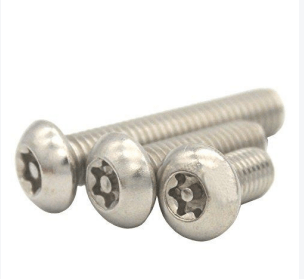
Security Torx Screws
Security Torx Screws
A variation of the Torx screw with a pin in the center, requiring a corresponding security Torx driver. Security Torx screws are found in a variety of places, including:
• Disc brake systems
• Hard disk drives
• Internal computer parts
• Public restrooms
• Some furniture
• Some toys
• Consumer electronics (laptops, smartphones, and tablets)
Difficulty of removing
Security Torx screws are designed to be difficult to remove, even
with the correct bit. This can make it time-consuming and
frustrating to remove the screw, especially if it is in a difficult-toreach location.
Potential for damage
If the wrong size bit is used to remove a security Torx screw, or if
too much force is applied, the screw or the bit can be damaged.

Can vampliers help the screws that are difficult of removing?
Yes, Vampliers are designed specifically to assist in removing stripped, rusted, corroded, or otherwise damaged screws and fasteners. They are a type of pliers that have patented jaws designed to grip onto screws from the outside. Here’s how they can be beneficial:
• Specialized Jaw Design: Vampliers have a unique concave-shaped jaw paired with vertical and horizontal serrations, which allows them to grip onto stripped or damaged screw heads that traditional tools might just slip off of.
• Made for Extraction: These pliers are designed for the primary purpose of extracting problematic screws. This means their entire design and function revolve around this concept.
• Versatility: They can handle a variety of screw types and sizes. While they’re not a one-size-fits-all solution, they offer more adaptability than many standard screw extraction methods.
• Ease of Use: Unlike some extraction methods that require drilling into the damaged screw head or using specialized bits, Vampliers offer a more straightforward approach: grip and turn.
• Durability: Vampliers are typically made of high carbon stainless steel, which provides strength and durability.
Types of Fastener
Slotted or Flathead Screws
A flat head slotted screw is manufactured with a slotted head drive. Slot screw heads have a single horizontal indentation, referred to as the slot.
• Woodworking and Furniture
• Electrical Outlets and Switches
• General Construction
• Machinery and Equipment
• Musical Instruments
• Consumer Goods
• Restoration Projects
• Automobiles
• Electronics

Shear Nuts
Shear Nuts provide a permanent fastening that is very hard to remove once installed. Shear Nuts are driven with a socket or spanner. Shear nuts are used in a variety of applications, including
• Architectural and Construction Applications
• Fencing and Barriers
• Utility Infrastructure like water or electricity)
• Security Installations (securing fixtures in prisons, public
transport facilities, or public seating areas)
• Public Infrastructure (parks, public buildings)

Hex Nuts
Hex Nuts are six sided hexagon nuts, used for tightening bolts and screws. Hex nuts are often found with hex headed bolts. Hex nuts are used in a variety of applications, including
• Architectural and Construction Applications
• Fencing and Barriers
• Utility Infrastructure like water or electricity)
• Security Installations (securing fixtures in prisons, public
transport facilities, or public seating areas)
• Public Infrastructure (parks, public buildings)

Lock Nuts
Hex Nuts are six sided hexagon nuts, used for tightening bolts and screws. Hex nuts are often found with hex headed bolts. Hex nuts are used in a variety of applications, including
• Automotive engines and other parts
• Machinery and equipment
• Construction projects
• Marine applications
• Aerospace applications
• Electrical equipment

Socket Screw
A socket screw is a screw which is widely used in the industrial sector and assembly lines. Known by many names but the most common are Hex or Allen head screws
• Automotive
• Furniture
• Machinery
• Construction
• General purpose

Solid Head Rivets
Solid rivets are among the simplest, most reliable, and oldest types of fasteners. Solid head rivets are used in a variety of applications where a permanent, reliable fastener is needed. Some of the most common uses for solid head rivets include:
• Bridges and Structural Engineering
• Shipbuilding
• Boilers
• Railroad
• Domestic Items
• Fashion and Apparel

Spring Washers
The primary purpose of spring washers is to provide tension and preload in a joint assembly. This helps to maintain clamping force and prevent loosening or loss of tension due to vibration, thermal cycling, or other factors.
• Automobiles
• Machinery and equipment
• Electrical connections
• Structural applications
• Electronics
• Aerospace and defense
• Consumer goods (Appliances, furniture)

Tooth Lock Washers
These washers work best with soft surfaces as hard surfaces will flatten the teeth – preventing them from successfully biting into the surface and securing the joint
• Machinery
• Electronics
• Automotive
• Household items

Square nut
A square nut is a four-sided nut. Compared to standard hex nuts, square nuts have a greater surface in contact with the part being fastened, and therefore provide greater resistance to loosening.
• Heavy machinery
• Furniture
• Railroad tracks
• Construction
• Marine applications

Axle nut
A square nut is a four-sided nut. Compared to standard hex nuts, square nuts have a greater surface in contact with the part being fastened, and therefore provide greater resistance to loosening.
• Cars
• Trucks
• Buses
• Motorcycles
• Heavy machinery

